Quirky Houston Traditions Every Visitor Will Notice
Houston embraces the unexpected. From folk-art homes covered in recycled materials to massive public art installations and rolling automotive sculptures, the city’s personality is bold and unapologetically creative. You’ll find bat colonies beneath bridges, presidential busts in unexpected places, and one of the most photographed fountains in Texas—all woven into everyday life. Here’s a guide to some of the quirky Houston traditions and landmarks visitors consistently notice.
Houston's Weirdest Houses: Beer Cans, Gargoyles, and Giant Spears
Houston’s famously flexible zoning laws have encouraged decades of creative residential expression. While not every eccentric home is open to the public, several have become local legends. Along Dunlavy Street and surrounding Montrose areas, you’ll spot rooftop gargoyles and whimsical sculptures decorating private homes and loft buildings. While some properties change ownership or usage over time, the tradition of decorative rooftop figures remains part of Houston’s visual character. These homes reflect the city’s openness to artistic individuality rather than a single coordinated movement.
The Beer Can House: A Folk Art Landmark
View this post on Instagram
The Beer Can House at 222 Malone Street stands as one of Houston’s most recognized folk-art sites. Beginning in 1968, retired upholsterer John Milkovisch covered his home with approximately 50,000 flattened aluminum beer cans, creating geometric siding patterns and decorative wind chimes made from pull-tabs and cut metal. The installation took nearly two decades to complete. Today, the property operates as a small museum under the Orange Show Center for Visionary Art, welcoming visitors on limited weekend hours. Admission fees and hours may vary, so checking current schedules before visiting is recommended.
Waugh Drive Bridge Bat Colony: A Natural Nightly Spectacle
View this post on Instagram
Each evening at dusk, thousands of Mexican free-tailed bats emerge from beneath the Waugh Drive Bridge over Buffalo Bayou. Estimates commonly range in the hundreds of thousands during peak summer months, though exact numbers fluctuate seasonally. The bats feed on insects along Buffalo Bayou and surrounding areas, contributing to natural pest control. Late summer often offers the most dramatic viewing as young bats begin flying. Designated viewing areas near the bridge provide safe observation points, and the nearby Buffalo Bayou Park trails make it easy to combine bat-watching with a scenic walk.
Living With the Bayou: Flood Awareness as a Way of Life
Houston’s network of bayous shapes not only its geography but also its culture. Because of the city’s flat terrain and history of heavy rainfall events, residents are highly attuned to flood forecasts. Visitors may notice:
- Elevated homes in certain neighborhoods
- Constant weather app monitoring
- Flood gauges along bayou trails
- Public messaging about high-water turnarounds
Phrases like “Turn Around, Don’t Drown” are widely recognized, and hurricane season preparedness is taken seriously. While flooding has shaped infrastructure planning and building codes over time, it has also created a shared awareness that weather conditions can change quickly. Understanding Houston means understanding its relationship with water.
Art Car Parade and Museum: Houston’s Rolling Sculpture Tradition
View this post on Instagram
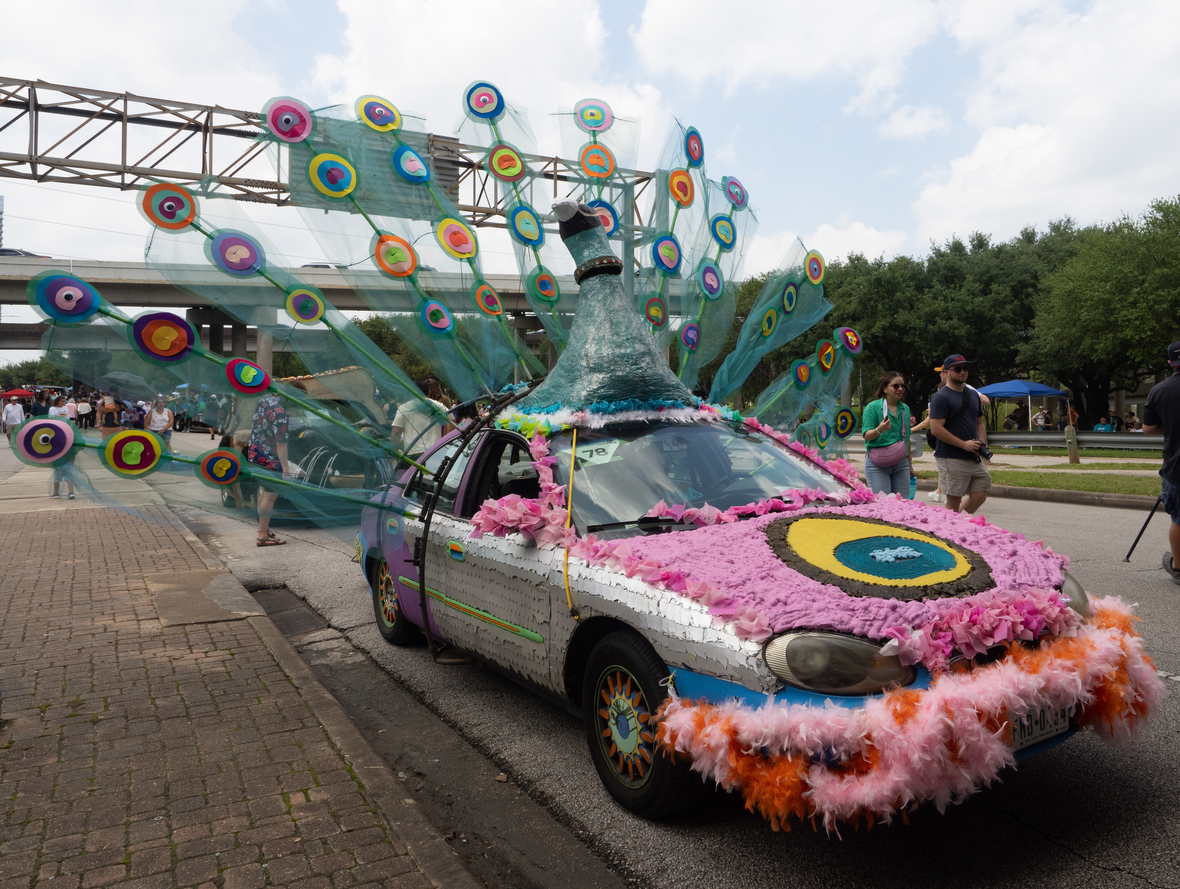
Houston’s Art Car Parade, first held in 1986 with a small group of decorated vehicles, has grown into the largest event of its kind in the world. Today, hundreds of elaborately transformed cars participate annually, drawing large crowds to downtown Houston each April. Vehicles range from whimsical to political to surreal, often covered in everyday objects such as toys, beads, or scrap metal. The event is organized by the Orange Show Center for Visionary Art. Outside parade season, visitors can explore rotating exhibits at the Houston Art Car Museum (separate from the parade organization), which showcases automotive art year-round.
Slab Culture: Houston’s Candy-Painted Custom Cars
View this post on Instagram
“Slab” culture—short for “Slow, Loud, and Bangin’”—originated in Houston’s African American communities in the 1980s. These customized cars are known for:
- Candy-colored paint finishes
- Distinctive protruding wheels known as “swangas” or “elbows”
- Elaborate sound systems
- Detailed interior customization
More than transportation, slabs represent personal identity and neighborhood pride. While past decades saw rivalries tied to car culture, today slabs remain a visible symbol of Houston’s creative automotive expression.
Houston Livestock Show and Rodeo: Boots, Barbecue, and Go Texan Day
View this post on Instagram
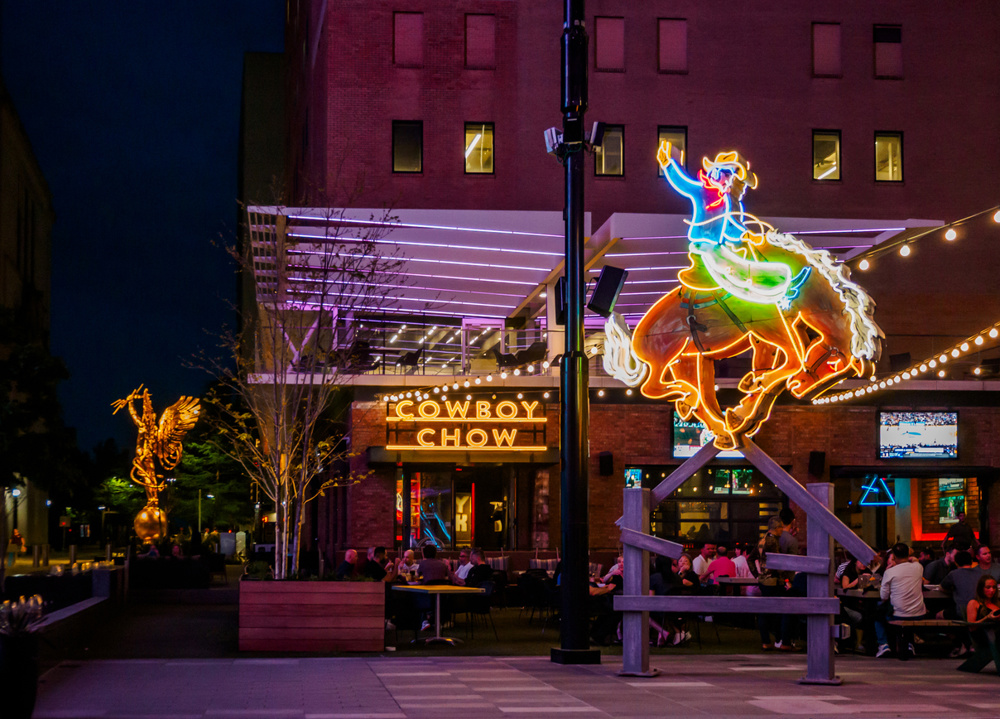
Every spring, Houston transforms during the Houston Livestock Show and Rodeo, one of the largest livestock exhibitions and rodeos in the world. What makes it quirky isn’t just the scale—it’s the citywide participation. One of the most noticeable traditions is Go Texan Day, typically held just before rodeo season begins. On this unofficial kickoff day, office workers, students, and city officials swap business attire for cowboy boots, jeans, and Western hats. Schools and workplaces often host Western-themed events, reinforcing the city’s blend of urban life and ranch heritage. Beyond the rodeo competitions and major concerts, the event features:
- Deep-fried food creations
- Livestock auctions
- Massive barbecue cook-offs
- Carnival rides
Even visitors who don’t attend the rodeo will notice the sudden appearance of boots and belt buckles across the city.
Kolaches, Viet-Cajun, and Other Houston Food Habits
View this post on Instagram
Houston’s quirks extend to everyday eating habits. Kolaches at Gas Stations Thanks to strong Czech and Central European influence across Texas, kolaches—soft pastries filled with sausage or fruit—are widely available in convenience stores and gas stations throughout the Houston area. Grabbing a sausage-and-cheese kolache with coffee is practically a morning ritual for many locals. Viet-Cajun Cuisine Houston is home to one of the largest Vietnamese populations in the United States. The city helped pioneer Viet-Cajun cuisine, a fusion style combining Gulf Coast seafood boils with Vietnamese spices, garlic butter sauces, and crawfish traditions. Restaurants serving spicy crawfish with lemongrass and Cajun seasoning have become part of Houston’s culinary identity. These food traditions reflect Houston’s multicultural population and willingness to blend flavors creatively.
Orange Show Monument: A Tribute to Optimism
In Houston’s East End, the Orange Show Monument reflects the vision of retired postal worker Jefferson Davis McKissack, who built the structure between 1956 and 1979. Spanning roughly 3,000 square feet, the labyrinth-like installation includes mosaics, balconies, amphitheater-style seating, and found-object sculptures—all dedicated to McKissack’s admiration for oranges and their symbolism of health. After his death, local preservationists—including arts advocates and philanthropists—formed the Orange Show Center for Visionary Art to maintain the site. The monument remains open to the public and serves as a centerpiece of Houston’s outsider-art tradition.
Smither Park: Houston’s Mosaic Playground
View this post on Instagram
Located in Houston’s East End, Smither Park is an evolving public art space filled with mosaic sculptures, memory walls, and whimsical installations. Developed in collaboration with the Orange Show Center for Visionary Art, the park showcases community-created tile art made from broken ceramics, glass, and found objects. Visitors can walk through colorful archways, sit on mosaic benches, and explore interactive art structures. Like the Orange Show Monument, Smither Park reflects Houston’s grassroots art culture—community-driven, playful, and unfiltered.
Presidential Heads at David Adickes Studio
View this post on Instagram
Large sculpted presidential busts created by Houston artist David Adickes have become an unusual roadside sight in various locations over the years. The fiberglass heads—originally created for presidential parks in other states—have periodically been stored or displayed on private property in Houston. Their visibility has changed over time due to relocation and restoration efforts. While not always formally open to the public, the oversized sculptures have contributed to Houston’s reputation for unexpected public art moments.
“The Big Jesus” Windows Near Downtown
Along Interstate 45 near downtown, travelers can spot a towering stained-glass depiction of Christ at Second Baptist Church’s Woodway campus (commonly nicknamed “Big Jesus” by locals, though that nickname is informal). The multi-story stained-glass window has become a recognizable skyline feature visible from nearby highways. Its scale and visibility make it one of Houston’s more unusual architectural sights.
National Museum of Funeral History: An Unconventional Collection
View this post on Instagram
Located in north Houston, the National Museum of Funeral History spans more than 30,000 square feet and houses extensive exhibits on funeral customs, presidential funerals, and cultural burial traditions. Displays have included papal artifacts, presidential hearses, and historical mourning memorabilia. The museum was founded in 1992 by funeral director Robert L. Waltrip and continues to operate as one of the most distinctive museums in Texas.
The Gerald D. Hines Waterwall: Houston’s Most Photographed Fountain
View this post on Instagram
In Uptown Houston near Williams Tower, the Gerald D. Hines Waterwall Park features a 64-foot-tall semicircular fountain that circulates thousands of gallons of water per minute. Designed by architects Philip Johnson and John Burgee, the Waterwall was completed in the early 1980s and remains a favorite photo backdrop. The adjacent park includes live oak trees and open lawns, making it a popular gathering spot for visitors and locals alike. Free public access and dramatic cascading water have made it one of Houston’s most recognizable landmarks.