Unexpected Design Parallels Between Online Slot Gaming and Mobile Apps

Have you ever opened a mobile app and instantly known where to tap without anyone explaining it?
That same feeling shows up in online slot gaming, too. At first, these two things may seem very different, but they share many visual and layout habits. Both rely on clear buttons, simple movement, quick feedback, easy menus, and small screen cues that help people understand what to do next.
The connection is really about comfort. A good screen, no matter what it is for, helps people feel at ease. It shows the main action clearly, keeps details organized, and makes every tap feel natural.
Clear Buttons Guide the First Action
Mobile apps and online slot games both know that people want to understand the first step fast. That is why the main button usually stands out.
In a mobile app, it may be a “start,” “send,” “play,” or “next” button. In online slot gaming, it is often the spin button. In both cases, the button gives the user a clear place to begin.
Size and Placement Matter
A button is easier to notice when it is large enough, placed in a natural spot, and separated from other screen details.
People usually look for the main action near the lower part or the center area of a screen. Many apps follow this habit, and online slot layouts often do too. The goal is simple: help the user know what to tap next.
Color Helps the Main Action Stand Out
Color is another shared tool. A bright button on a softer background is easy to spot.
This helps the screen feel friendly. The user does not have to scan every corner. The main action gently catches the eye.
Motion Makes Screens Feel Alive
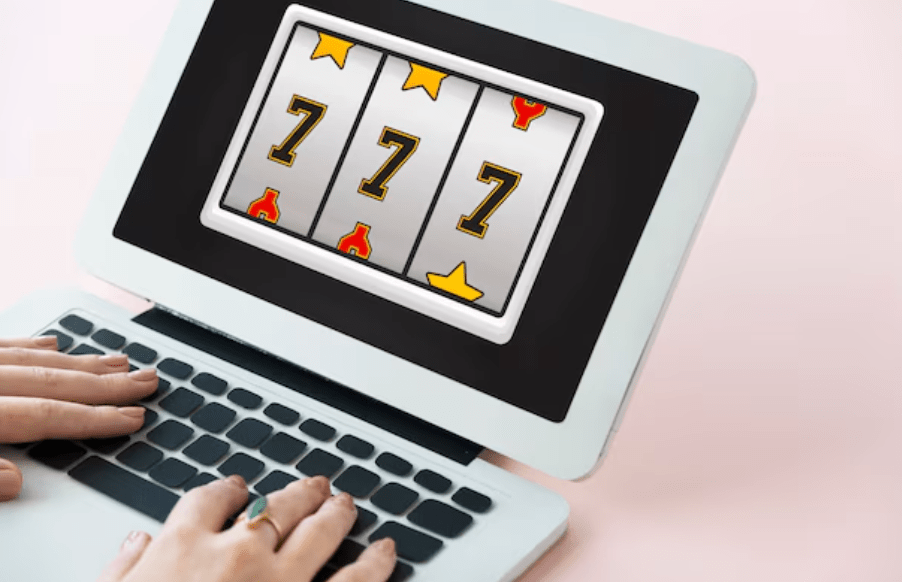
Movement is a big part of both mobile apps and online bandot88 slot gaming. It helps show that something is happening after a tap.
A mobile app may slide to a new page, show a loading icon, or animate a menu. An online slot game may spin reels, highlight symbols, or move numbers. In both cases, motion gives the screen a lively feel.
Motion Confirms the Tap
When people tap something, they like to see a response. A small animation says, “Yes, your action worked.”
That response can be as simple as:
- A button changing shade
- A reel starting to move
- A menu sliding open
- A number updating
- A symbol lighting up
These tiny movements help users feel connected to the screen.
Timing Creates a Natural Flow
Timing is also important. If movement happens in a smooth order, the screen feels easier to follow.
In apps, one screen may move into another. In online slot gaming, reels start, slow, and stop. Both use timing to help the eye follow the action step by step.
Icons and Symbols Speak Quickly
Mobile apps use icons all the time. A home icon, bell icon, heart icon, or search icon can explain an action before a user reads any text.
Online slot gaming also uses symbols as a visual language. Fruit, gems, letters, numbers, animals, or special icons help players understand the reels quickly.
Familiar Images Feel Natural
People enjoy images they can recognize right away. Familiar icons make a screen feel simple.
A phone app may use a magnifying glass for search. A slot game may use bright fruit or clear number symbols. In both cases, the image helps the user understand faster.
Special Icons Draw Attention
Both screen types also use special icons to point out important moments.
In apps, a badge may show a new message. In online slot gaming, a special symbol may glow or move. These cues help the user notice key details without needing a long explanation.
Layout Keeps Everything Easy to Scan
Good layout is one of the biggest shared ideas. A clear layout tells the eyes where to go first, second, and third.
Mobile apps often put the main content in the center and place controls around it. Online slot games often do the same with reels in the middle and buttons or numbers around the edges.
The Main Area Gets the Most Space
Both apps and online slot screens give the main feature the biggest visual area.
Screen Type | Main Focus | Supporting Details |
Mobile app | Main content or task | Menus, tabs, buttons |
Online slot game | Reels and symbols | Stake, spin, result details |
This keeps the screen organized. The user knows where to look first.
Spacing Helps the Screen Feel Calm
Spacing gives each part room to breathe. Buttons, icons, numbers, and menus are easier to read when they are not packed too tightly.
A neat screen feels more pleasant. It lets the user focus without feeling crowded by too many details at once.
Feedback Makes Every Action Feel Complete
Both mobile apps and online slot gaming use feedback to show results. Feedback can be visual, sound-based, or shown through numbers.
When a message is sent, an app may show a check mark. When a spin finishes, a slot screen may show highlighted symbols or a result count. The idea is the same: the screen gives a clear response.
Small Signals Build Trust
Small signals help people feel sure about what just happened. A glow, chime, tick mark, number change, or short animation can make the action feel complete. These signals are simple but useful. They help the screen feel active and responsive.
Results Are Shown Right Away
People like clear results. Apps show updates quickly after taps, and online slot games show round results right after the reels stop.
This quick response keeps the experience easy to understand. The user always knows where they are in the flow.
Personal Style Shapes the Experience
Mobile apps and online slot games also use style to create personality. Colors, fonts, icons, sounds, and backgrounds all affect how a screen feels.
Some screens feel calm. Some feel bright and playful. Some feel classic and simple. These style choices help people connect with the screen in a personal way.
Themes Make Screens More Memorable
A mobile app may use a clean theme with soft colors. An online slot game may use gems, music, nature, or classic symbols. The theme helps people remember the screen. It also makes the experience feel more human and less plain.
Final Thoughts
Online slot gaming and mobile apps share more screen habits than many people first expect. Both use clear buttons, familiar icons, motion, spacing, feedback, and personal style to guide users.
These parallels show how much good screen experiences depend on simple human habits. When a screen is clear, responsive, and easy to read, people feel comfortable from the first tap.