
Why Austin’s Culture Is Uniquely Magnetic
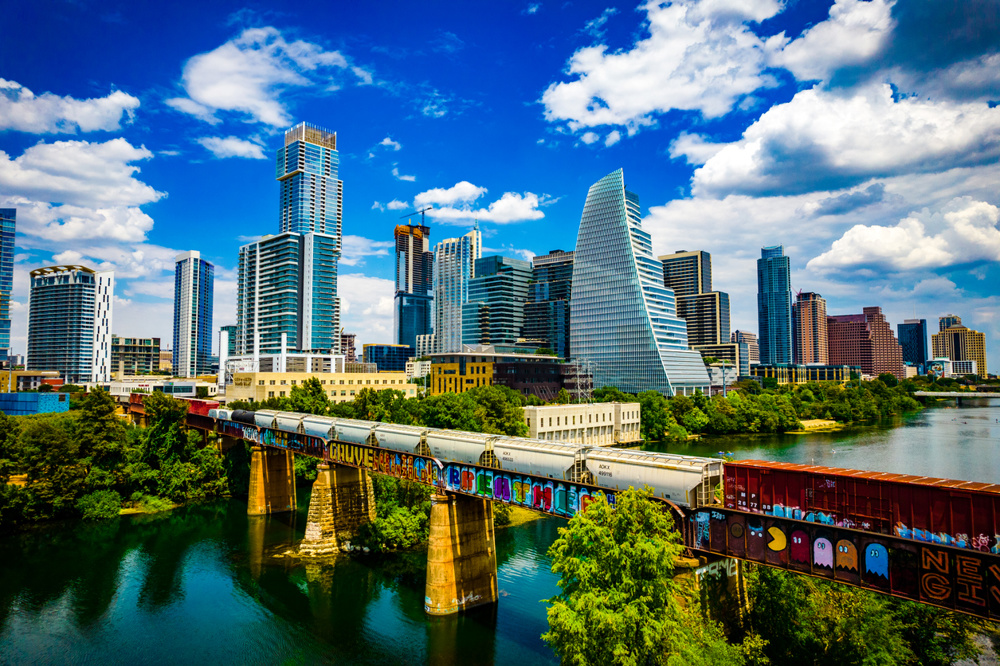
Austin has developed a national reputation for its creative energy, music scene, and blend of technology and arts culture. The city’s identity grew from a combination of university influence, independent artists, and a steady influx of entrepreneurs and creative professionals.
Today, Austin is widely associated with live music, film, technology startups, and experimental art communities. Festivals, museums, performance venues, and creative businesses all contribute to an environment where artistic ideas and new technology often evolve together. This mix of culture, innovation, and lifestyle helps explain why Austin’s cultural identity attracts attention far beyond Texas.
America’s First UNESCO City of Media Arts
In 2015, Austin became the first city in the United States designated as a UNESCO “City of Media Arts.” The designation places Austin within UNESCO’s Creative Cities Network, a global program recognizing cities that use creativity and cultural industries to support sustainable development.
The Media Arts category highlights cities that combine film, music technology, digital media, gaming, and interactive storytelling. Austin’s recognition reflects the presence of major creative festivals, media startups, digital artists, and organizations supporting film and technology innovation.
Institutions such as the Blanton Museum of Art, The Contemporary Austin, and numerous creative studios contribute to the city’s cultural infrastructure. The designation also acknowledges Austin’s ability to connect artistic creativity with the city’s rapidly expanding technology sector.
Austin’s “Live Music Capital of the World”
Austin is widely known as the “Live Music Capital of the World,” a nickname adopted by the city in the early 1990s to reflect its unusually large number of live performance venues.
More than 250 live music venues operate across the Austin area, ranging from intimate clubs to major arenas. Well-known locations include:
- ACL Live at The Moody Theater, home of the long-running Austin City Limits television series
- Antone’s Nightclub, a historic blues venue originally opened in 1975
- The Continental Club, one of Austin’s longest-running music clubs
- Moody Center, a large arena hosting major touring artists
Live music remains a significant part of Austin’s tourism economy, drawing visitors who attend concerts, festivals, and local performances throughout the year.
SXSW, ACL, and Festivals That Shaped Austin’s Global Reputation
Austin’s global cultural reputation expanded dramatically through its festival scene.
South by Southwest (SXSW) began in 1987 as a regional music conference and has since grown into a multi-industry event that combines music, film, technology, and digital media. The festival attracts thousands of performers, filmmakers, entrepreneurs, and journalists each year.
The Austin City Limits Music Festival, held annually in Zilker Park, brings major international artists and large crowds to the city. Along with smaller events such as the Austin Film Festival, these gatherings reinforce Austin’s image as a city where creativity and innovation intersect.
These festivals help introduce new artists and ideas to global audiences while strengthening Austin’s reputation as a major cultural destination.
Film Production and the Austin Film Community
Austin also maintains a growing reputation in film and media production.
Organizations such as the Austin Film Society, founded by filmmaker Richard Linklater, support local filmmakers through grants, training programs, and studio facilities. The organization also operates AFS Cinema, a venue dedicated to independent and international films.
The city’s creative environment and distinctive landscapes have attracted film productions for decades. In addition to hosting the SXSW Film & TV Festival, Austin is home to the Austin Film Festival, an event that focuses on screenwriting and storytelling.
These organizations and events contribute to a vibrant film community where independent filmmakers, digital creators, and production companies collaborate and develop new projects.
Food Trucks, Barbecue, and Culinary Creativity
Austin’s cultural identity is shaped not only by music and art but also by its distinctive food scene. The city is widely known for its thriving food truck culture, where hundreds of mobile kitchens serve everything from tacos and ramen to gourmet pastries and global fusion dishes.
Many food trucks operate in clusters known as food truck parks, creating informal gathering spaces that reflect Austin’s creative spirit. These small culinary businesses often experiment with new flavors and concepts before expanding into full restaurants.
Barbecue is another defining part of the city’s culinary culture. Austin is home to nationally recognized establishments such as Franklin Barbecue, Micklethwait Craft Meats, and Terry Black’s Barbecue, which draw long lines of visitors eager to experience Central Texas–style smoked brisket.
Together, the city’s food trucks, barbecue traditions, and innovative restaurants form an important part of Austin’s cultural magnetism.
Cultural Infrastructure Supporting Austin’s Creative Community
Austin’s creative culture is sustained by a network of public programs, nonprofit organizations, and independent venues that support artists and cultural institutions.
The city operates several initiatives designed to preserve creative spaces and encourage artistic development. One of the most visible programs is Art in Public Places, which allocates a small percentage of municipal capital improvement budgets to public art installations.
Community arts organizations, music venues, and artist-run studios provide opportunities for performances, exhibitions, and workshops. These programs help emerging artists gain exposure while ensuring the city’s cultural landscape remains active and accessible.
Despite these efforts, rising housing costs and commercial rents have made affordability a major issue for many artists working in the city.
Parks, Lakes, and the Creative Lifestyle
Austin’s creative culture is closely tied to its outdoor lifestyle, which many residents see as an important part of the city’s appeal.
Lady Bird Lake, located along the Colorado River in downtown Austin, is surrounded by the Ann and Roy Butler Hike-and-Bike Trail, one of the most popular recreation areas in the city.
Nearby destinations such as Barton Creek Greenbelt provide hiking trails, rock climbing areas, and natural swimming holes, while Zilker Park hosts major festivals and outdoor gatherings.
These green spaces offer places for relaxation, exercise, and informal social interaction. For many artists, entrepreneurs, and professionals, Austin’s outdoor environment provides a setting where creative thinking and daily life blend together naturally.
Austin’s Theater and Museum Scene
Austin’s arts landscape extends beyond music into theater, museums, and visual arts institutions.
The Blanton Museum of Art at the University of Texas houses one of the largest university art collections in the United States, with strengths in Latin American art, modern and contemporary works, and European paintings.
Experimental theater venues such as The VORTEX Theater provide spaces for independent productions and interdisciplinary performances, while organizations like ZACH Theatre present professional stage productions ranging from classic plays to contemporary works.
These institutions play a key role in Austin’s creative ecosystem by providing exhibition space, educational programs, and opportunities for collaboration among artists.
Neighborhoods That Anchor Austin’s Creative Culture
Several Austin neighborhoods function as informal creative districts, where music venues, art studios, restaurants, and technology companies operate side by side.
South Congress (SoCo) is one of the city’s most recognizable cultural corridors. Independent boutiques, street art, vintage shops, and music venues line the avenue, attracting both residents and visitors.
East Austin has evolved into a vibrant creative hub featuring art galleries, experimental theaters, murals, and innovative restaurants. The area also hosts numerous creative startups and design studios.
Meanwhile, the Red River Cultural District near downtown serves as Austin’s primary live-music corridor, with venues that support local bands and touring artists throughout the year.
These districts illustrate how Austin’s culture develops organically through neighborhoods where art, nightlife, and entrepreneurship intersect.
The Economic Impact of Austin’s Creative Industries
Austin’s arts and cultural sectors also contribute significantly to the regional economy. Creative industries in the area include music production, film and media, digital design, advertising, performing arts, and arts education.
These sectors support thousands of jobs while generating tourism through concerts, festivals, museum visits, and cultural events. Visitors drawn by Austin’s creative reputation spend money on hotels, restaurants, transportation, and entertainment.
As a result, cultural activity functions as both a creative driver and an economic engine, reinforcing Austin’s identity as one of the most culturally distinctive cities in the United States.
Technology Startups and Innovation Culture
Austin’s creative reputation is strengthened by its strong startup and technology ecosystem.
Major technology companies—including Apple, Google, Tesla, Oracle, and Dell Technologies—maintain significant operations in the region, attracting engineers, designers, and entrepreneurs from across the country.
At the same time, local startup incubators such as Capital Factory provide mentorship, investment connections, and workspace for emerging companies. These organizations support startups working in fields ranging from artificial intelligence and software development to media production and digital design.
The interaction between technology innovation and artistic creativity has become one of Austin’s defining characteristics, helping the city stand out as a place where ideas can evolve across industries.