Witty Things You Didn’t Know About Visiting Texas
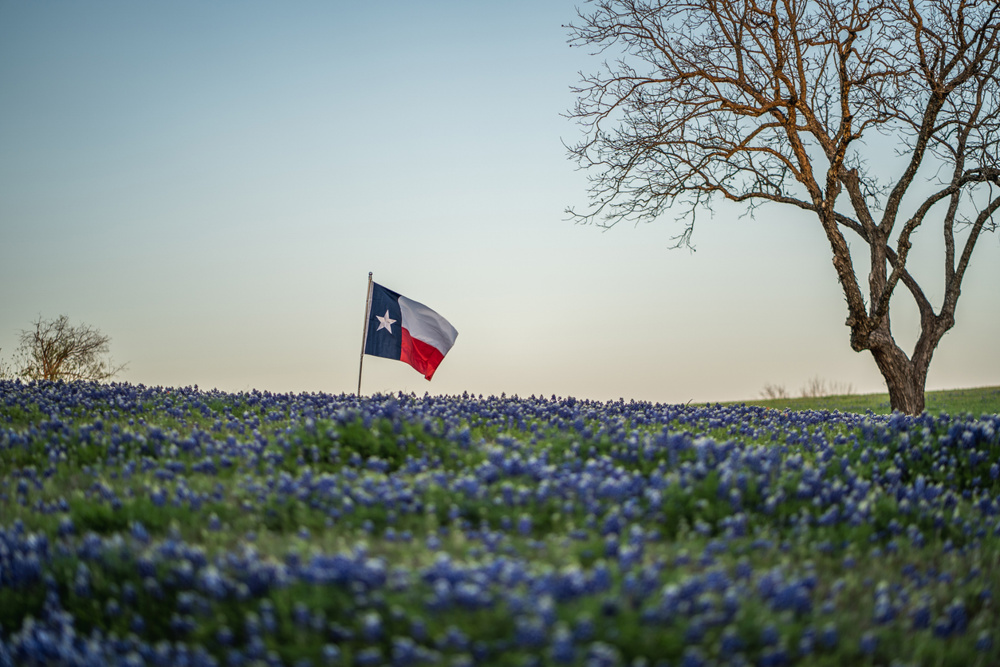
Texas surprises many visitors with its mix of massive landscapes, distinctive culture, and everyday quirks that make traveling here memorable. You might wait hours in line for famous barbecue joints like Franklin Barbecue in Austin, but the strangers beside you often become friendly conversation partners along the way.
The state also defies common stereotypes. Texas isn’t just flat ranchland—it includes coastal marshes, rolling Hill Country, rugged canyons, and desert mountains. Renting a car is almost essential because cities and attractions are widely spread out, and many of the most interesting places require a drive.
Plan your trip around spring wildflowers or the milder temperatures of fall, and be prepared for a culture where people often go out of their way to help visitors. These small surprises are part of what makes exploring Texas so memorable.
Texas Spans Several Distinct Landscapes from Gulf Beaches to High Desert
Texas covers more than 268,000 square miles, making it the second-largest state in the United States, and its landscapes change dramatically across the region. Geographers often divide the state into several major natural regions that showcase this diversity.
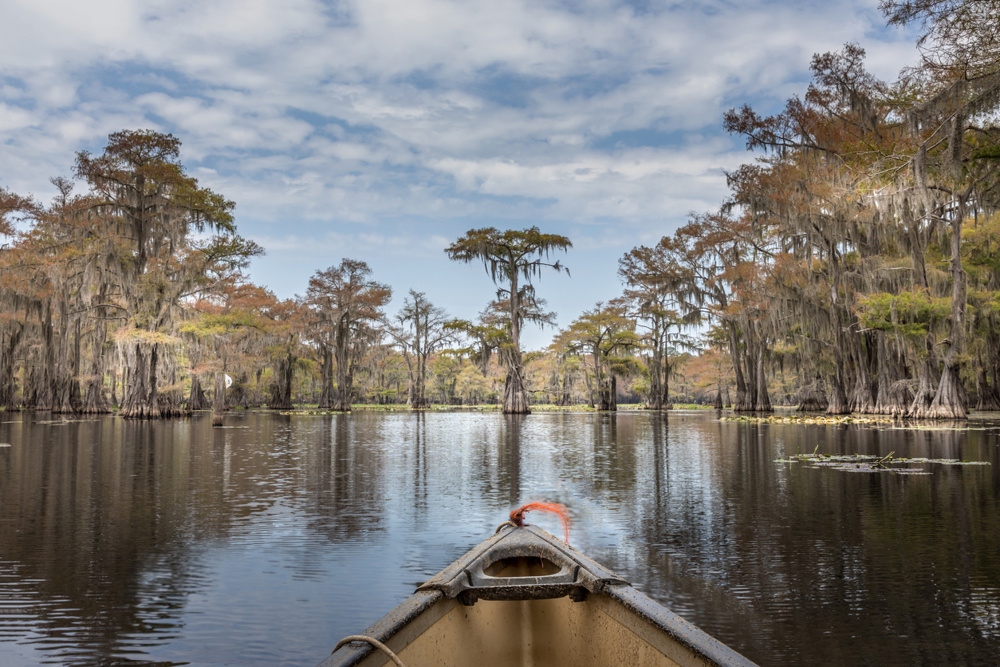
Along the southeastern edge lies the Gulf Coastal Plains, stretching inland from the Gulf of Mexico and including wetlands, barrier islands, and coastal prairie. This region contains major cities such as Houston, Corpus Christi, and Galveston.
Moving north and west, the North Central Plains transition from forested areas into prairie landscapes. This area includes portions of North Texas and the Dallas–Fort Worth region, where rolling hills and fertile soils dominate the terrain.
Further west, the Great Plains region rises sharply along the Caprock Escarpment, a dramatic geological boundary separating the High Plains from lower elevations to the east. The escarpment is especially visible in the Texas Panhandle near Palo Duro Canyon, one of the largest canyon systems in the United States.
In far West Texas, the Basin and Range Province—commonly called the Trans-Pecos—features the state’s only true mountain ranges. Parks such as Big Bend National Park and Guadalupe Mountains National Park, home to Guadalupe Peak, the highest point in Texas at 8,751 feet, showcase desert landscapes and rugged peaks. Some areas here receive less than 12 inches of annual rainfall, making them among the driest parts of the state.
Texas Is Full of Unexpected Roadside Attractions
Texas road trips often include quirky roadside landmarks that have become part of the state’s travel culture. One of the most famous is Cadillac Ranch near Amarillo, an art installation created in 1974 where ten vintage Cadillacs are buried nose-down in the ground. Visitors are encouraged to bring spray paint and leave their own colorful marks on the cars.
In far West Texas, Prada Marfa sits along Highway 90 outside the town of Marfa. This permanent art installation resembles a luxury boutique in the desert, complete with real designer handbags and shoes displayed behind glass. Although it looks like a store, it’s actually a public artwork that cannot be entered.
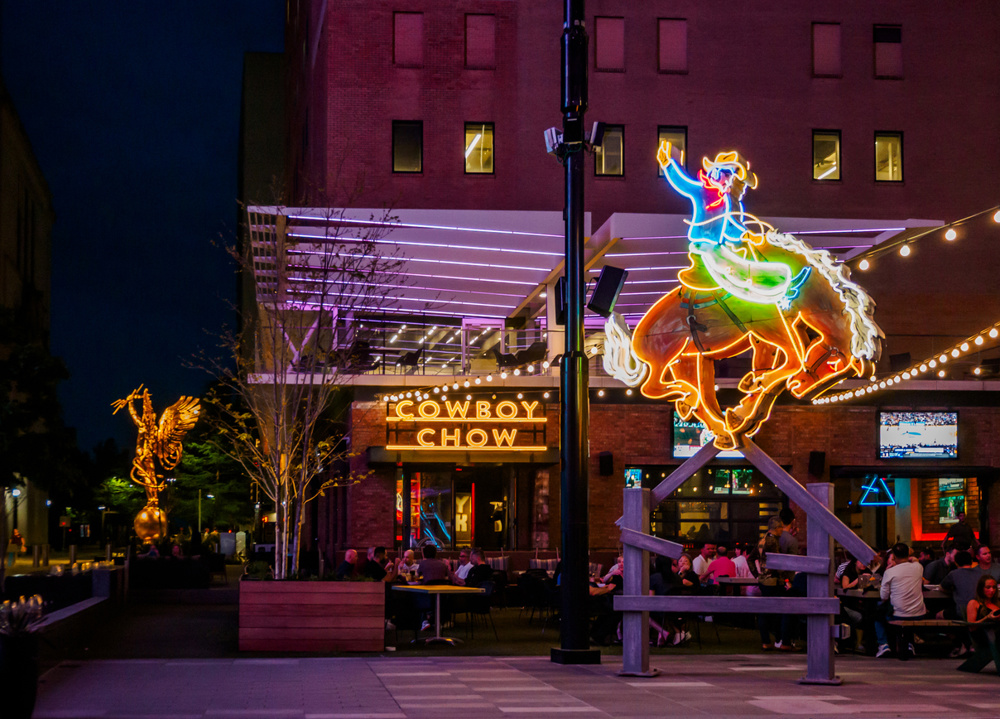
You’ll also see oversized statues and playful roadside monuments throughout the state. Giant cowboy figures, large boot sculptures, and whimsical town mascots appear in places ranging from small Panhandle towns to Hill Country highways. These stops often become memorable photo opportunities for travelers exploring Texas by car.
Visit Texas in Spring or Fall for the Most Comfortable Weather
Texas weather varies widely across its enormous size, but spring and fall generally provide the most comfortable travel conditions.
Spring, particularly late March through April, is famous for the blooming of bluebonnets and other wildflowers, especially throughout the Texas Hill Country near Austin, Fredericksburg, and Llano. Temperatures during this period often range from the 60s to the upper 70s°F, making it ideal for scenic drives and outdoor exploration.
Fall also offers excellent travel conditions. From late September through early November, much of the state experiences warm but manageable daytime temperatures and lower humidity compared with summer.
Summer can be extremely hot, particularly across Central and South Texas, where daytime temperatures regularly climb into the 90s or higher. Winter tends to be mild in most regions, though occasional cold fronts can bring brief freezes or ice storms, particularly in North Texas.
Dallas, Houston, and San Antonio Are Car-Oriented Cities
Visitors quickly discover that Texas cities are built around driving. Metropolitan areas such as Dallas–Fort Worth, Houston, and San Antonio cover hundreds of square miles, and many attractions are spread across large suburban areas.
While public transportation exists—such as DART rail in Dallas, METRORail in Houston, and VIA buses in San Antonio—most travelers find that renting a car provides the most flexibility. Many popular destinations, including state parks, barbecue towns, and scenic Hill Country drives, are easiest to reach by road.
Rental cars are widely available at major airports including Dallas/Fort Worth International Airport, Houston’s George Bush Intercontinental Airport, and San Antonio International Airport. Drivers must carry a valid license, and most companies require renters to be at least 21 years old, with additional fees often applied to drivers under 25.
Texas Barbecue Culture Centers on Brisket and Tradition
Texas barbecue is more than a meal—it’s a regional culinary tradition built on slow cooking and simple seasoning.
The Central Texas style, found in towns like Lockhart and Austin, emphasizes brisket smoked over post oak wood with a simple rub of salt and black pepper. Legendary establishments such as Franklin Barbecue, Kreuz Market, and Southside Market & Barbeque attract long lines of diners eager to taste freshly smoked meat.
Texas barbecue traditions were shaped by a blend of cultural influences. German and Czech immigrants introduced meat-smoking techniques in the 19th century, while African American pitmasters played a key role in developing slow-cooking methods and community barbecue gatherings across the state.
Today, brisket remains the most iconic cut, prized for the way long smoking times transform the tough beef into tender, flavorful slices.
Texas Cuisine Goes Far Beyond Barbecue
While barbecue often gets the spotlight, Texas cuisine includes several regional specialties that surprise many visitors.
Tex-Mex cuisine is one of the state’s defining food traditions. Restaurants throughout Texas serve dishes such as enchiladas, queso, fajitas, and chili con carne, blending Mexican ingredients with regional American cooking styles.
In Central and South Texas, breakfast tacos are a daily staple. These simple but flavorful tacos typically include eggs, cheese, potatoes, bacon, or chorizo wrapped in a warm flour tortilla. Cities like Austin and San Antonio are especially known for their breakfast taco culture.
Another unique regional favorite is the kolache, a pastry brought to Texas by Czech immigrants in the 19th century. Traditional fruit-filled kolaches remain popular, but many bakeries also serve savory versions filled with sausage, cheese, or jalapeños.
Visitors will also encounter chicken-fried steak, a classic Texas comfort food featuring breaded beef steak fried like chicken and topped with creamy gravy.
Texans Often Strike Up Conversations with Complete Strangers
Visitors frequently notice that Texans are unusually conversational. It’s common for people to chat with strangers while waiting in line, sitting at a bar, or browsing in a store.
This friendliness reflects a long tradition of Southern and Western hospitality. In many communities, it’s still normal to greet strangers, hold doors open, or offer directions to travelers.
That openness also shows up in everyday situations. Someone might help push a stalled car, recommend a favorite local restaurant, or strike up a conversation about the weather while filling up at a gas station.
These casual interactions often leave visitors with the impression that Texas feels welcoming and approachable, even in its largest cities.